
From Retirement Town to Smart Living Hub: How Dehradun Has Changed in the Last Decade
06 Jan 2026
10 min read
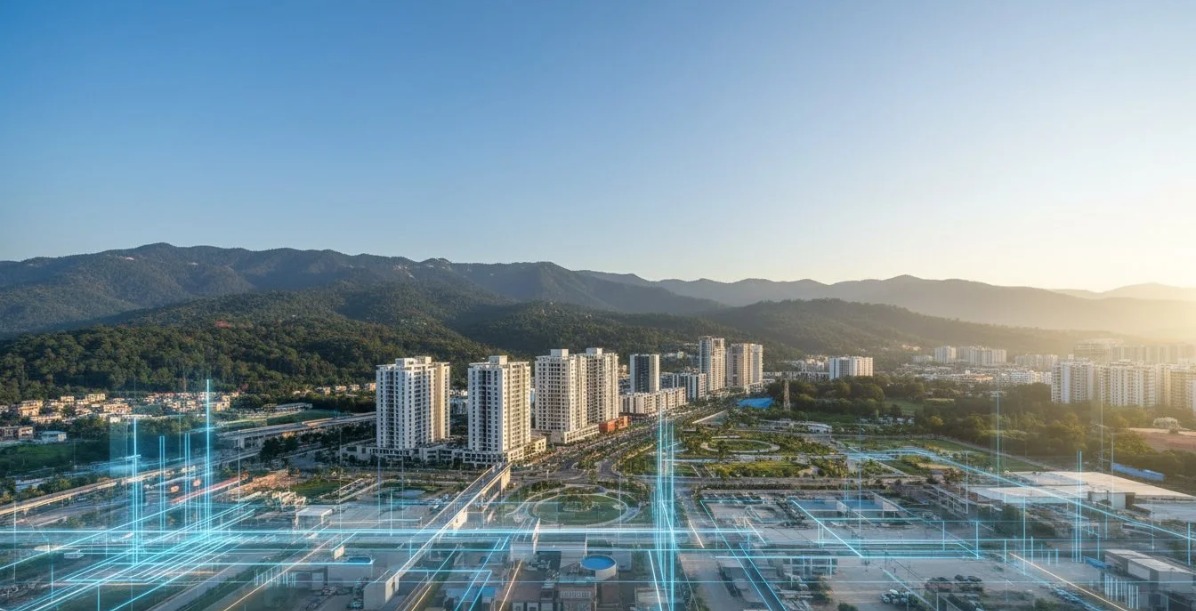
Table of content:
A decade ago it was seen that Dehradun was mostly regarded as a place from which people left as soon as they quit active professional life. Opportunity and modern living were not synonymous with it, and it was known for a serene atmosphere and pleasant climate as well as a laid-back lifestyle. This image has transformed greatly over the years. Dehradun has adjusted to emerging work trends, emerging high lifestyles, and residential demands.
The city now has a working population that appreciates efficiency over comfort. It serves as a viable living option and not a backup. This change is indicative of more general trends in human attitudes towards careers and family life and settlement in the long term.
The change in the work culture has been the largest source of change in Dehradun. Flexible working patterns minimized the necessity to be near the conventional business areas. This led to the relevance of cities that provide quality infrastructure and a stable environment.
Dehradun was a good sort of person to this change:
There was an improvement in internet and mobile connectivity in residential locations.
The number of co-workings and service offices expanded.
Local companies conformed to the demand all through the year.
Professional services were made readily available in the city.
These developments enabled the residents to have active careers without having to move to high-pressure metros.
Previously, Dehradun served the majorly relaxed and low-demand living. Within the past ten years, the expectations have shifted. People now seek cities where they can conduct their daily business activities of school attendance, work schedules, access to healthcare, and errands without inconveniences.
This city now promotes routine existence. Dehradun is not too complicated to travel in. Critical services are distributed in various zones rather than being located in one region. This distribution will eliminate congestion and will help to maintain a regular daily movement.
Consequently, nowadays Dehradun is attractive to families and professionals who desire order rather than rigidity.
In Dehradun, there has been a clear population mix. The city is now inhabited by younger and working citizens as compared to the past, which was dominated by retirees and local residents. The demographic change has affected the demand for housing and education facilities and the lifestyle services.
Major resident categories influencing the current demand are
Remote or hybrid remote working professionals.
Independent professionals and business owners in small businesses.
Academic professionals and healthcare.
Families who have moved to NCR cities in the middle of their careers.
NRIs that have structured long-term returns.
Such diversity has established stable residential demand throughout the year instead of seasonal use.
The growth of Dehradun has been done in a visible moderation. Dehradun was not as densely populated as other cities that developed at an accelerated speed and had congestion problems. The vertical growth was restricted through planning regulations and open spaces were defended.
The development of infrastructures was aimed at usability and not scale. The roads, utilities, and social services improved at a slow pace, in tandem with the population growth. This strategy has enabled the city to escape acute stress levels, which are common in emerging city centers.
The end product is a city that operates effectively without being overdeveloped.
Technology based branding alone is not very important in smart living in Dehradun. Rather, it is an indication of the ease with which residents cope with day-to-day duties. The essence of smart living in this case is more time efficiency, less stress and accessibility than digital capabilities.
Examples of Smart living that are evident in the city are:
Reduced daily inter- zonal travel time.
The necessities are achieved without complicated planning.
Living plan layouts to be used on a day-to-day basis.
Reduced noise and congestion rates.
These make life a better experience in practical senses.
The construction of residential houses in Dehradun has been changing depending on the theme of the buyer. Previous innovations were mostly aimed at cheapness and lack of luxury. Planning priorities changed with time as they were shifted towards comfort, space, and functionality.
Now developers are also more concerned with the efficiency of layout, ventilation, and long-time use. The design of homes is intended to accommodate work-from-home, and flexibility in the future. This development indicates how the city has moved towards an active way of life as opposed to a passive one.
The rates of properties in Dehradun have not increased aggressively but in a steady manner. Nature of the geography of the city and the rules restricts the supply. Construction is costlier based on terrain and logistics, which has an effect on pricing patterns.
Prices are shaped by:
Scarcity of land that can be developed.
Low-density building regulations.
Building issues that are region specific.
End-user-driven demand.
This brings about a stable market that value is built progressively.
Dehradun is the best place to be in the case of people who need stability in the long-run and urban life that is manageable. It is applicable to families, workers that have flexible work schedules, and those willing to establish permanent residence. The city promotes routine, health and predictability. It might not be attractive to those buyers who want to live fast urban lives or get quick gains in their investments. Dehradun believes in continuum, rather than speedy change.
The development of Dehradun in the past decade is not so much a case of reinvention as it is about adaptation. The city increased its potential and maintained its strengths. This equilibrium is the reason why Dehradun can now be a smart city of living designed not as a fad, but as a permanent comfort.

.png)
Puravankara Enters Greater Noida: What Its ₹340 Crore Land Deal Means for NCR Real Estate.
.png)
How Millennials Are Changing the Indian Real Estate Market.
.png)
Max Estates Enters Ghaziabad with a ₹2,500–3,000 Crore Residential Project.
What Is a Penthouse? Advantages and Disadvantages of Buying a Penthouse in India.
.png)
.png)
