
Yamuna Expressway Real Estate: History, Growth and Market Evolution
17 Jul 2026
9 min read
.jpg)
Table of content:
For more than 10 years, Yamuna Expressway real estate has been a part of the real estate narrative in NCR. The corridor has come a long way from the time of investor excitement, slow development, and a new era of organized real estate activity.
The market is very different from the first development cycle. Noida International Airport is playing a growth driver role and YEIDA-driven planning and RERA compliance, along with group house activity and investment by established developers, are reshaping the market.
The Yamuna Expressway was planned as more than a road connecting Greater Noida and Agra. Industrial areas, educational institutions, residential townships, and commercial development were part of the wider vision, nestled in a larger economic corridor.
This vision drew developers and investors to it. Prominent residential developments were announced and buyers were anticipating quick price increases. Yet there was a lack of infrastructure and population growth, though, that was not in accordance with market expectations.
The employment centres were still under development, social infrastructure was still limited, and housing demand was not enough to accommodate all of the projects announced. There were some difficulties with funding, implementation, or demand for some developments. This experience had an impact on the buyers' confidence, and it still has an impact on the current process of due diligence.
After the initial excitement, development became uneven. Yamuna Expressway was not as strong as Noida and Greater Noida with respect to its residents and its existing social fabric.
Major challenges included:
Delayed project execution
Limited social infrastructure
Lower end-user demand
Future-led speculation
Limited branded developers
Noida International Airport gradually brought the corridor back into focus. Investments in industrial and logistics projects bolstered its prospects, while its prospects were hampered by continued low participation by established residential developer investors.
The market confidence began to manifest in the return of transactions on residential plots and land transactions. In 2022 and a good part of 2023, YEIDA residential plot schemes were appealing to the buyers and investors who were looking for investment opportunities on the long-term horizon.
Structured paths leading to future growth were provided by authority-backed plots. However, the market remained in a plot-centric mode and not apartment-centric.
An established real estate corridor should have a cohesive housing supply, reputable developers, and communities that draw end users. Until the residential development cycle started to shift, the gap continued to be a large constraint.
YEIDA resumed the large-scale group housing land auctions, transforming the market. They provided avenues for organized projects and stimulated capital investment by established developers.
The new cycle is defined by five changes:
Group Housing Auctions: YEIDA auctions are supporting planned residential development.
Established Developer Entry: Branded developers are acquiring land for housing projects.
RERA Compliance: New projects are entering a stronger regulatory framework.
Measurable Housing Supply: Apartment developments are replacing announcement-led expectations.
Authority-Led Planning: Structured land allocation is supporting organised urban growth.
These changes separate the current market from the earlier speculative phase. The modern apartment cycle effectively began in 2024.
The presence of established developers is a sign of changes in Yamuna Expressway Real Estate. As a general rule, large real estate firms will evaluate infrastructure, connections, housing demand, and future urban development prior to investing significant capital in a specific area.
Not all projects are guaranteed to be successful due to developer participation. But the acquisition of land indicates that long-term potential is now more on their radar for institutional players.
The market is slowly shifting away from “land speculation” for land appreciation. Supply and developer commitments are becoming more concrete real estate maturity indicators.
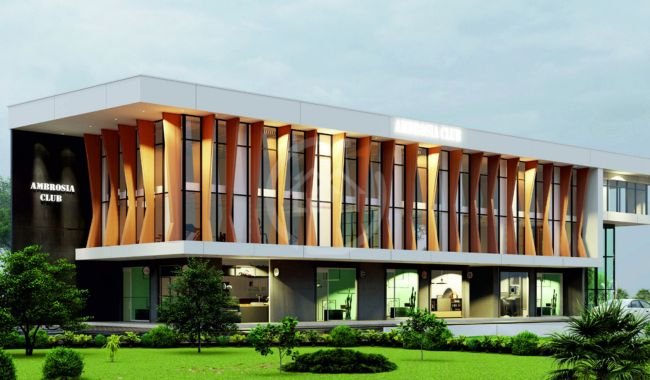
The clubhouses and lifestyle amenities can be an important feature of many modern projects, offering an appealing choice to many buyers. It is important for buyers to also learn the land and regulatory history of a project as well on the Yamuna Expressway.
Knowing the developer's land acquisition process, checking of approvals, and RERA registration are important and a must. The financial strength of the developer and his past experience should be reviewed too.
These checks are particularly applicable to the earlier history of the corridor. No pretty brochures can substitute for clear land documentation, regulatory compliance, and proven execution ability.
Now, Yamuna Expressway real estate is going to become more organized. YEIDA is driving the planning, creating group housing activity, and regulatory projects, and institutional investment by RERA is strengthening market structure.
While Noida International Airport continues to be a big catalyst, another important indicator of market maturity is capital allocation made by developers. The corridor is slowly moving from what is expected to be to what is measurable in terms of residential development.
If you are a buyer and/or investor, an announced decision should not be the only determining factor in your property choice. Infrastructure delivery, developer execution, and end-user demand will be the key drivers of future growth. To assess the sectors, developers, and coming residential projects in the corridor, it is important to understand how the corridor has evolved.

.png)
Puravankara Enters Greater Noida: What Its ₹340 Crore Land Deal Means for NCR Real Estate.
.png)
How Millennials Are Changing the Indian Real Estate Market.
.png)
Max Estates Enters Ghaziabad with a ₹2,500–3,000 Crore Residential Project.

What Is a Penthouse? Advantages and Disadvantages of Buying a Penthouse in India.

.png)
